
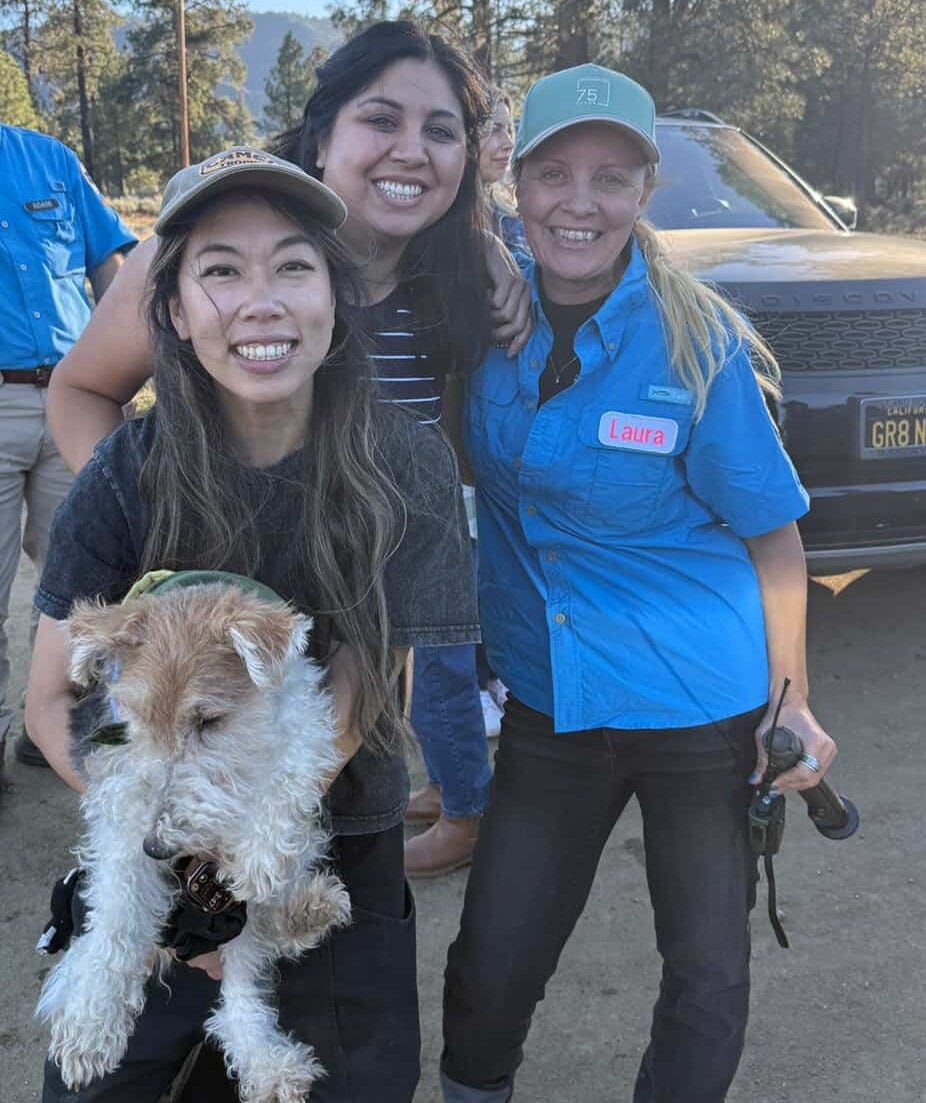
Saturday, I co-led a group of eleven vehicles on an off-road trail.
I do this kind of thing regularly, but for most of the group, it was new. New members of a local Rover club. Some brand-new vehicle owners. Some people who had never taken their car off pavement before. The vehicles themselves ranged from older, well-used rigs to newer ones still figuring out their limits.
Different experience levels. Different vehicle capabilities. Different comfort zones.
On paper, that’s the kind of setup that makes leaders nervous.
On the trail, it turned into something unexpectedly amazing.
Every single person did well.
Not because the trail was easy. It wasn’t. And not because everyone drove the same way. They didn’t. What made the difference was how the group was led and how the group responded to each other.
In off-roading, spotting matters. Someone stands outside the vehicle and talks the driver through obstacles they can’t fully see from the seat. On this trip, spotting was more than just safety. It doubled as confidence-building through clear directions and timely encouragement. Spotting provided a steady voice when someone hesitated, and a quick cheer when something went right.
The radio chatter mattered too. Instead of just confirming everyone had made the turn, we talked about what was coming next, such as steep sections and tight lines. By knowing what to expect before you got there, we had fewer surprises and less stress.
We didn’t force a single line through obstacles. What worked for one vehicle would’ve caused problems for another, so we adjusted constantly. Same destination. Different approaches. No commentary about who took the “harder” route versus the bypass.
And we moved at the pace of the slowest vehicle.
Not as a courtesy, but as a rule. Because rushing one person would’ve put everyone at risk. The goal wasn’t to finish fast. It was to finish intact, together, with confidence.
There were moments where things could’ve gone sideways. A steep descent. A deep rut that put tires in the air. Each time, the group held: No pressure; No urgency; Just space to figure it out.
By the end of the day, people who started out unsure were navigating obstacles they wouldn’t have touched that morning. The newer vehicles were dusty and tested. The older ones reminded us why people are devoted to Land Rovers.
When the engines shut off, there was a kind of joy that only shows up when something works. People were smiling without needing to explain why.
In most places, we’d rather force a single path and call it efficiency than do the slower, harder work of adjusting for people and sharing what’s coming. We reward speed, consistency, and confidence, even when they’re manufactured, and we tend to notice only when someone finally can’t keep up. What gets lost is capacity: the quiet skill-building that happens when people are given context, time, and room to approach the same problem differently. That kind of leadership doesn’t look impressive from a distance, but it’s the difference between getting through something once and building a group that can do it again.
A small ask, if this resonated.
The leaders who read this newsletter tend to know other leaders who would read it too. The people quietly doing the work. The ones who think carefully before they speak. The ones who notice what the room missed.
If someone like that came to mind while you were reading, send this their way.
Every referral unlocks more of what is behind the curtain, exclusive subscriber posts, deeper frameworks, and content I do not share publicly. Build the room with me.