
(This post was originally published on my WP blog, and has been remixed for you here….)
Sandstone Canyon is easy to miss if you’re moving too fast. It branches off Fish Creek Wash without much announcement. A sign. A turn. If you weren’t already in the mood to slow down, you’d keep going.
Once you’re inside, the walls come up quickly. Fifty feet, maybe seventy. The floor is still sand and crushed dirt, still nothing anyone would call technical, but there isn’t much extra room. You notice that right away. The way the canyon quietly narrows your choices.
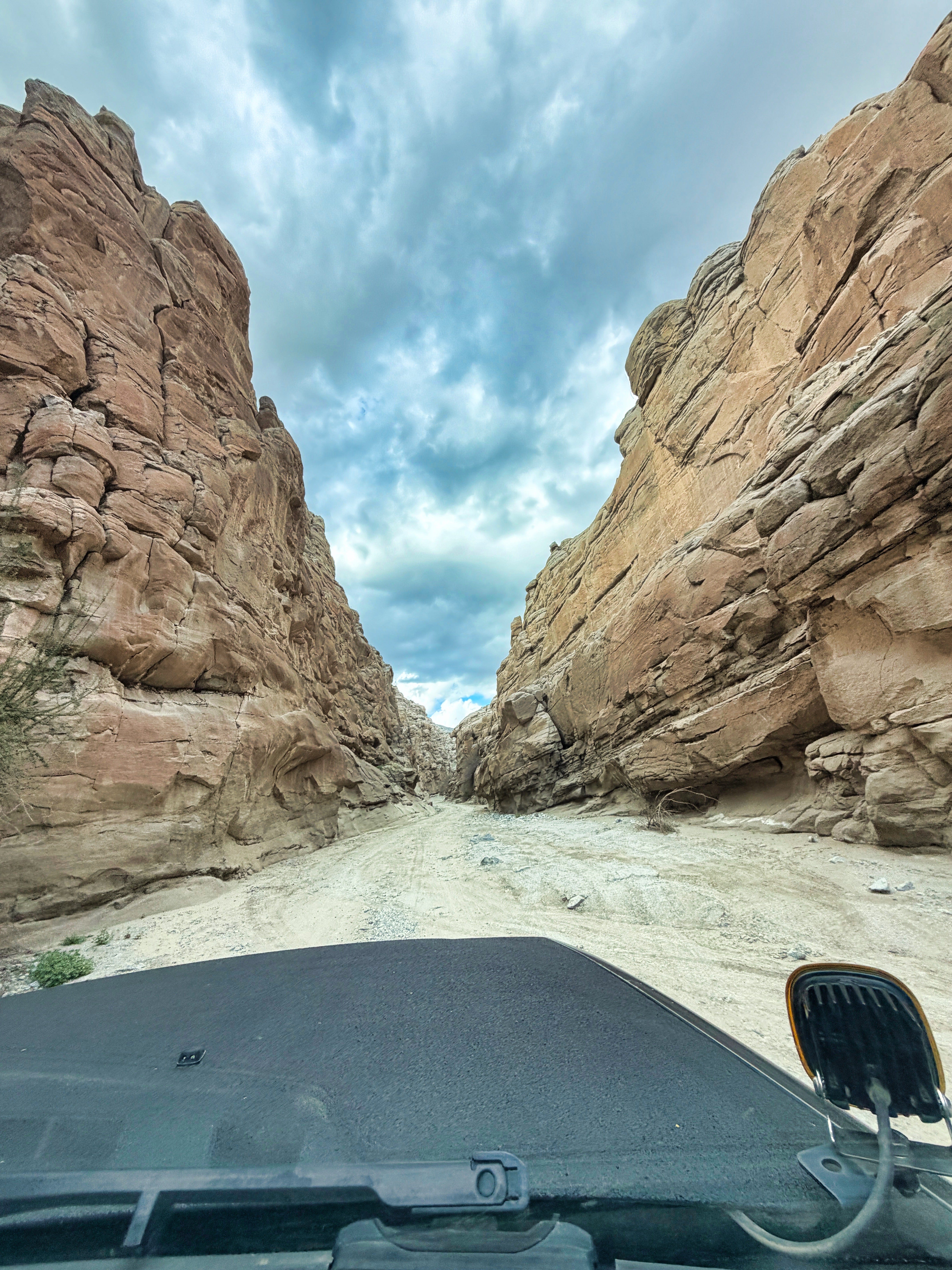
We’re used to places that reward momentum. Sandstone doesn’t. It asks you to pay attention, and not just in the don’t-hit-anything sense. This is a canyon that took millions of years to become a canyon. The walls hold light differently depending on the hour. The color shifts as you move. If you’re only focused on getting to the end, you miss almost everything that’s actually there.
Every so often you have to wait for someone coming the other way, or ease past a narrow stretch. That part isn’t hard. It just makes it very clear that you don’t get to set the pace.
Most days, you think you do.
The speed I was rewarding
For years I ran my days as a queue. Clear the thing, clear the next thing, feel the small hit of finishing, move on. It felt efficient. Over time it just became automatic. Automatic looks like efficient from the outside. It is not the same thing.
I rewarded it in other people too. The fast reply. The closed loop. The person who kept things moving. I was measuring pace because pace was easy to see. Attention is harder to see. It doesn’t show up in a status update.
And living at that speed flattens things. Even good weeks start to feel thin. You get through a lot. You notice almost none of it.
What the canyon insists on
Out in Sandstone that speed is harder to keep. The canyon keeps interrupting you. The walls keep catching the light. The scale of it keeps insisting that you are moving through something that does not care how quickly you want to reach the end.
Most of the leadership work I actually care about behaves the same way. The conversation that changes something. The person who has quietly stalled and is waiting to see if anyone notices. The pattern under the pattern. None of it survives being rushed. You can process it fast. You cannot see it fast.
One of my standing questions about any tool or habit is what it makes too easy to do poorly. Speed makes attention too easy to skip. You can run at that pace for a long time and call it leadership, right up until you miss the thing that mattered.
The pace was never mine to set
You leave the canyon, of course. You always do. You go back to regular weeks and the usual noise, and slowly you start moving too fast again. Until the next place makes you notice.
The work does the same thing, if you let it. It narrows. It catches the light. It refuses to be hurried. The pace was never yours to set. The only choice was whether you were going to pay attention while it set it for you.
A question for you
What have you been trying to get through lately, that might actually be asking you to slow down and look?
Hit reply and tell me what you saw once you stopped moving.
I read every one.
I have a screenplay that I'm trying to work through, but I'm not getting to where I need it to be. I need to step away and think about it. Maybe role play with AI. Find another tactic to look at it differently.
I write a weekly Substack report. I have been pressing myself to build an inventory of reports. Now that I have an inventory and a few months experience in Substack-land, I have found my canyon. Relaxing lets new ideas flow.