
About twenty minutes into a tandem paragliding flight, I realized my confidence had outpaced my stomach.
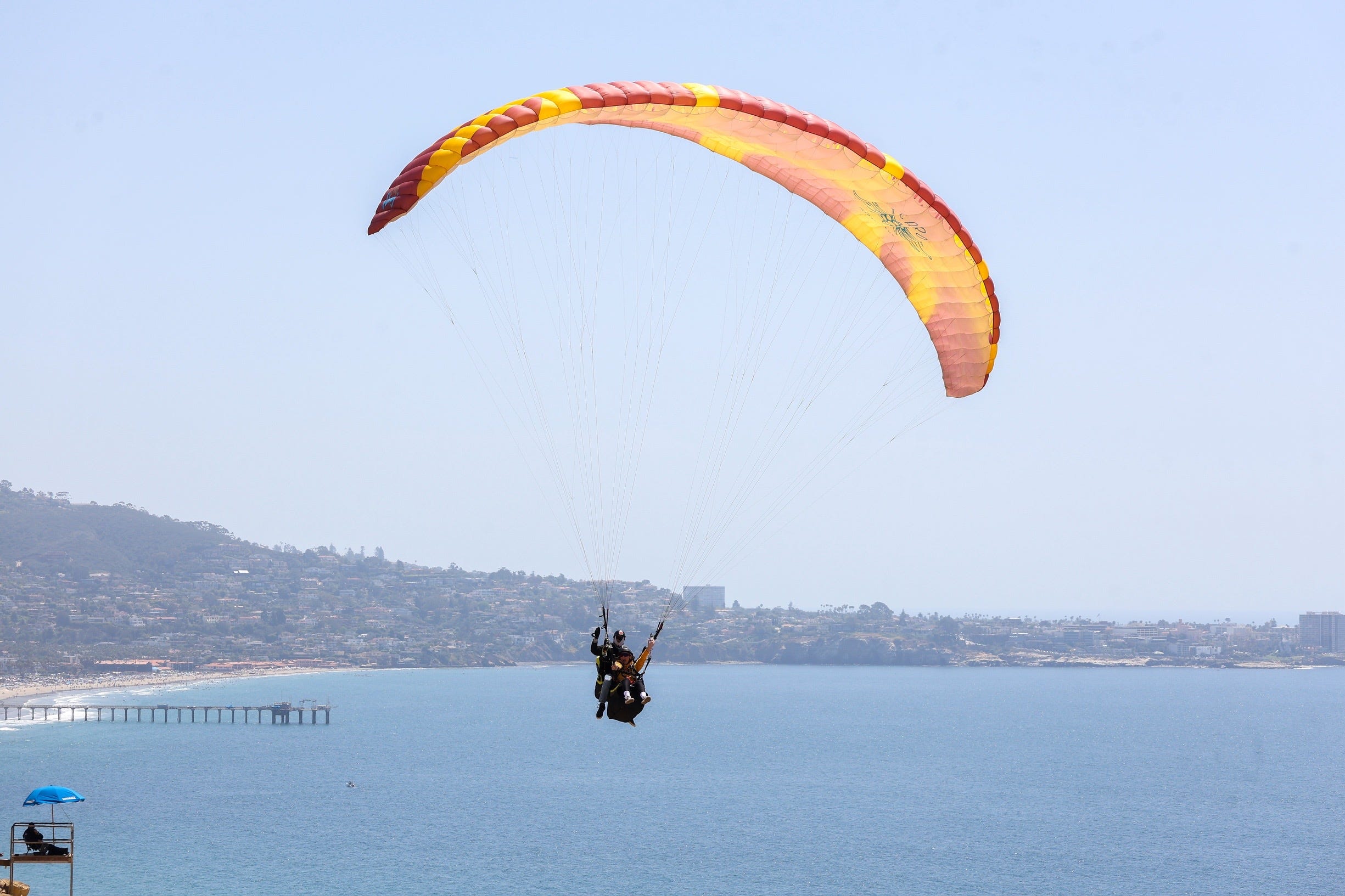
Everything looked fine from the outside. Big views. Smooth air. No drama.
Inside, things were shifting. Not bad enough to call attention to yet. Just uncomfortable enough to make me quiet.
That’s when the instructor leaned forward and said, “My spidey senses are telling me you aren’t doing so good anymore.”
He didn’t wait for confirmation. He didn’t try to stretch the experience because the conditions still looked manageable. He turned us around. No hesitation. Just a decision made early enough to keep the landing simple.
Most leadership failures don’t come from ignoring something obviously broken. They build slowly because the early signs are easy to rationalize. Someone who used to contribute in meetings starts holding back, and you tell yourself they’re just tired or busy. A project keeps moving, but every step takes more effort than it should, and the team sounds more worn down each week. The plan still works on paper, deadlines are technically being met, and nothing has failed loudly enough to force a response. So you keep going. Not because things are healthy, but because nothing looks serious enough to justify changing course yet.
And then, eventually, the margin disappears.
By the time a problem becomes obvious to everyone, your options are already shrinking. Recovery gets harder. Landings get rougher. What could have been a quiet adjustment turns into damage control.
In the air, the difference between a smooth landing and a miserable one isn’t strength or willpower. It’s timing. The decision to turn while you still have room to maneuver, while the ground is still where you expect it to be, while the landing zone is still yours to choose.
The leaders who stay effective over time aren’t reacting to failure. They’re reading direction. They notice when effort starts replacing ease, when progress starts feeling forced, when the conditions shift just enough to change what comes next. And they make the turn before the situation makes it for them.
Before you go.
If this essay said something you have been trying to put into words, the most useful thing you can do for someone else who needs to hear it is share it.
Read the Terrain grows when leaders pass it to other leaders. Not through algorithms, not through ads, just one quiet recommendation at a time.
You will earn access to subscriber-only content the more people you bring along. They get something worth reading. You get acknowledged for being the person who sent it. Everyone wins.