
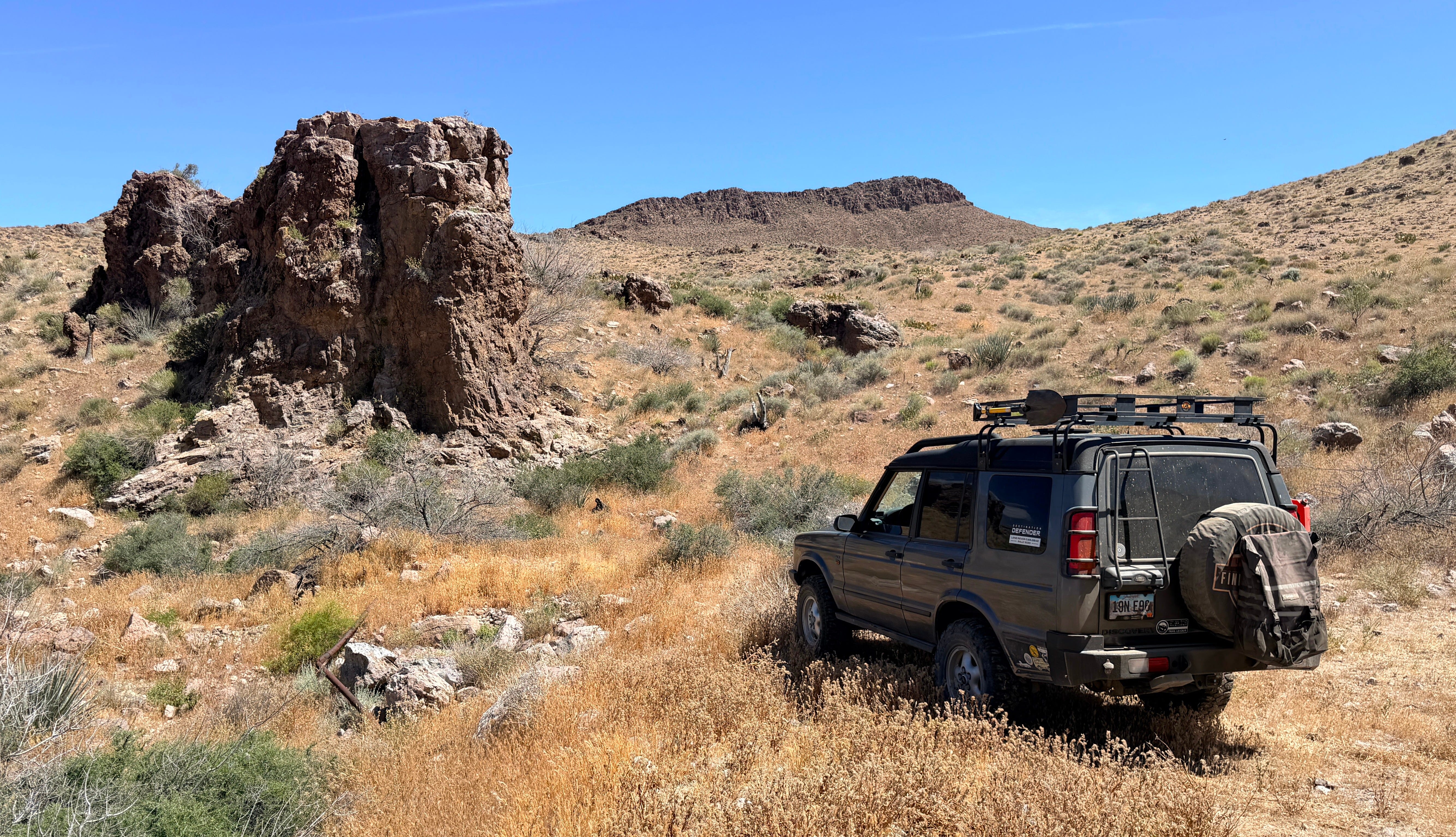
When I saw the rut in front of me, it seemed pretty straight-forward. Tire on the left will roll over the rock, the one on the right will get some air, and then it should be a soft land. Except it wasnt. When the right tire came down, it jerked the left wheel over with a thud that meant the bumper was scraping against the rock, hard.
I had read that line. I had a plan for it.
The plan was fine right up until it met the rock.
That’s the humbling part of off-road driving. You can study a line, feel sure about it, and still be wrong, because what you see from the driver’s seat isn’t the whole picture.
Leading works the same way. We look at a decision, it seems straightforward, and we commit. If we’re clear about where we’re trying to go, we tend to notice sooner when something drifts. If we aren’t, whatever is easiest to follow becomes the plan, and we often don’t notice until we hear the thud.
I’ve had that on my mind this month because of a school board in Maryland.
Straightforward, Then the Thud
This fall, Frederick County Public Schools switched on Google Gemini for middle and high school students. The rule was that students could use it only when a teacher allowed it. According to the Frederick News-Post, officials chose it because it was the only tool they evaluated that cleared the state’s safety and privacy standards.
By the Sept. 9 board meeting, teachers were saying they couldn’t turn it off, and parents hadn’t been told it was coming. A new state law gave the board until Oct. 22 to adopt an AI policy. On Oct. 7 the board voted 6-1 to reverse all of it and ban student AI use from pre-K through 12th grade (FOX 5 DC).
None of that looks careless to me. A tool that passed the state’s review, on a platform the district already trusted, with a deadline closing in. Most of us would have looked at that line and thought it seemed pretty straightforward.
So I’m not reading this as a story about Frederick. I’m reading it as a story about the rest of us.
A review tells you something is allowed. It doesn’t tell you what it’s for.
Allowed, Not Aimed
I’m working from news coverage here. I wasn’t in those meetings, and plenty was surely said that never made the paper. So I am making assumptions here, but…
Gemini was chosen because it cleared the privacy bar. That matters. But a review tells you something is allowed. It doesn’t tell you what it’s for, and under a deadline, that second conversation is the easiest one to skip.
When it gets skipped, other things fill in the answer: the platform’s settings, the calendar, whoever raises a concern first. The people closest to the work learn what the decision meant by living with it. It happens with a new meeting template, a different scheduling tool or a change to how expense reports get approved as easily as with AI.
Four Questions, Turned Inward
I bring four questions into most AI conversations I’m part of. Reading Frederick through them, I noticed none of them is about technology. They’re about whether the people making the call know what they’re trying to do.
1. What is it for? Frederick’s stated purpose was “primarily” AI literacy. The rollout put Gemini inside the apps students do their schoolwork in, and people went by what they saw on their screens. How often do my stated purpose and my rollout point in different directions? Would I catch it?
2. What does it strengthen? This is the one that tends to vanish as a deadline gets close. It’s also the answer you’ll want most when the first concerns arrive.
3. What does it replace? A writing assistant inside the document where a student writes lands on top of that student’s first attempt, the messy part where a lot of the learning happens. The board saw that. The question for the rest of us is whether we see our version of it before launch or after.
4. What does it make too easy to do poorly, and what will we do about it? In Frederick, teachers were supposed to decide when students could use the tool, but they had no way to switch it off. Before I make anyone responsible for a guardrail, I want to know they can reach it.
What this means
I’m not interested in grading Frederick’s board. They made a hard call under real pressure. The pattern is the part worth naming: when nobody says out loud what a decision is for, the defaults decide, and a no can skip that step as easily as a yes. The ban still allows lessons about AI, which is close to what the district said Gemini was for in the first place. Maybe the purpose was sound all along. It never got said clearly enough, early enough, to steer anything.
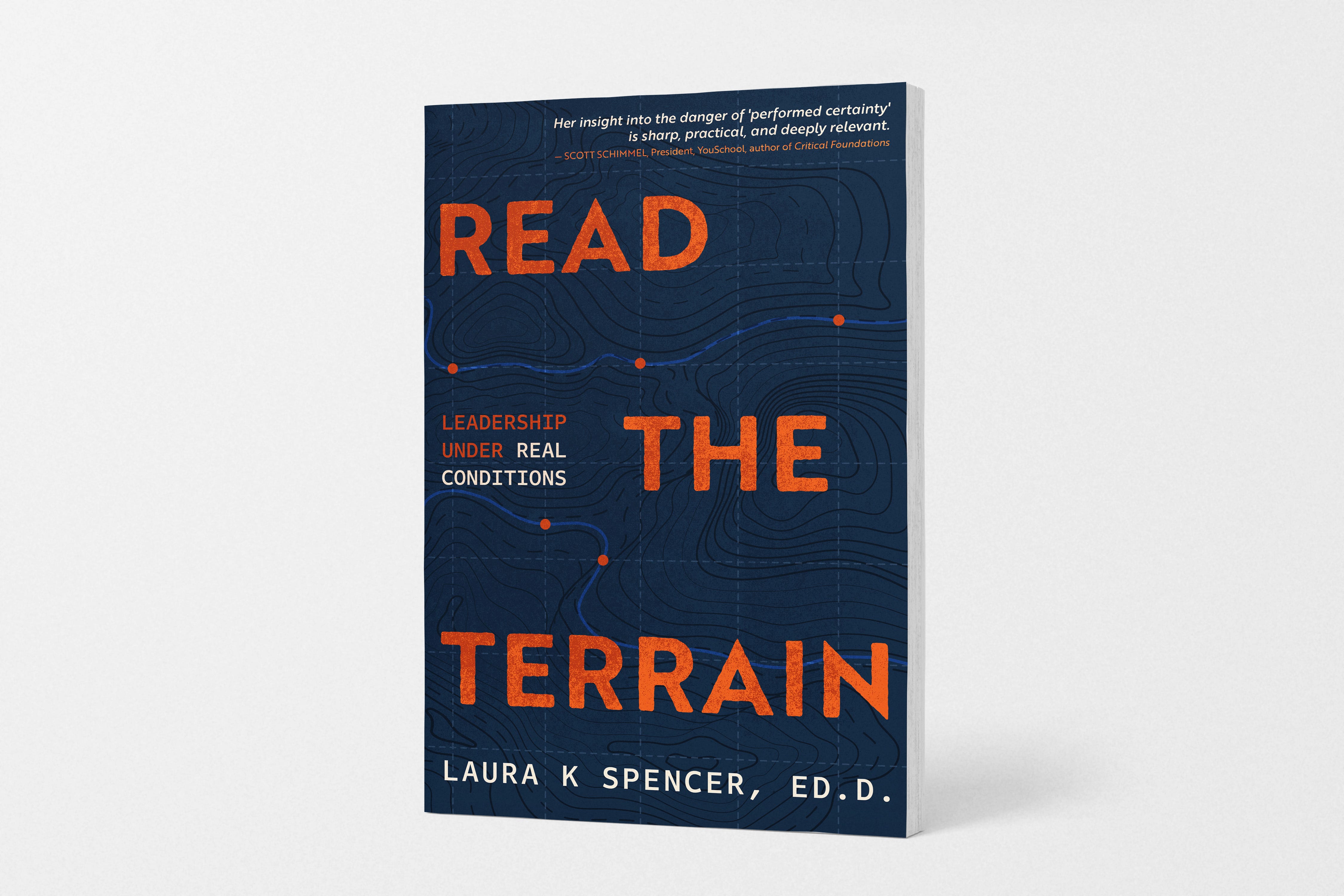
That’s the ground Read the Terrain covers: reading conditions before acting, and getting out of the truck before you commit to the line.
Now for the ask.
If this one landed, the book goes further down the same trail. Preorders help a new book more than almost anything else, so if you’re planning to read it, now is the time.
This week’s question:
This week’s question: What’s one decision you made because it was allowed, without ever saying out loud what it was for?
[Normal text, italic, in parentheses] (optional) Next up: a teaser for the follow-up piece.
P.S. The bumper still has the scar from that rock. I’ve decided it stays.